
Field Notes · Materials & Design
From Driveway to Garden Wall
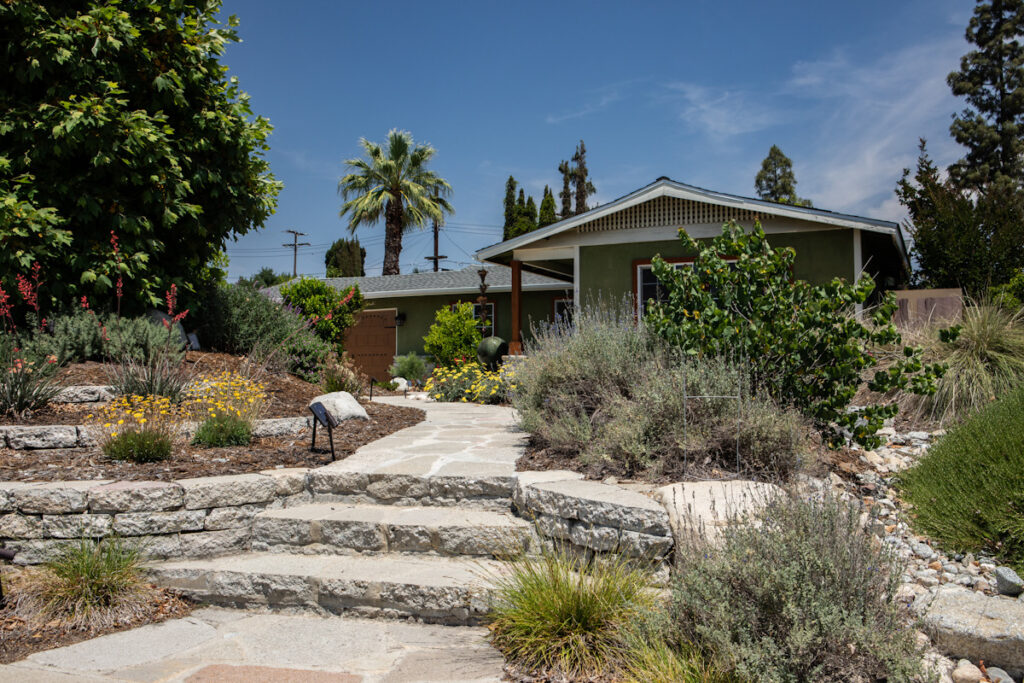
When a driveway or patio comes out, the default plan is a dumpster and a haul-away. I ask clients to pause first.
Some of that broken concrete may have another use in the garden—as a path, a border, or a carefully built wall.
Reused this way, it has an informal name: urbanite.
What urbanite is
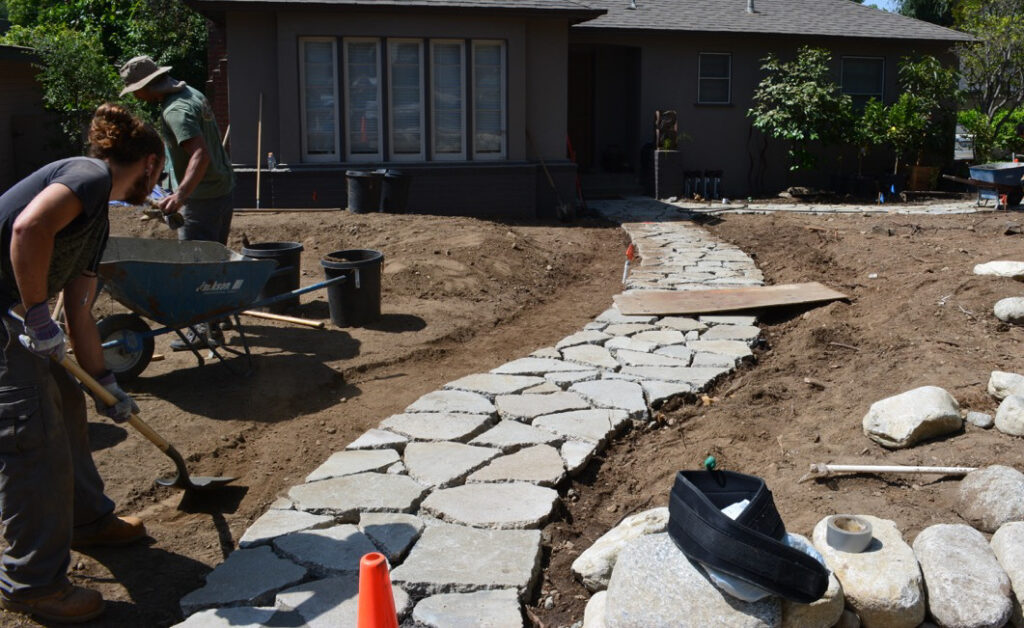
Urbanite is the informal term for broken concrete that is reused in landscape construction. Broken into manageable pieces, it offers weathered surfaces, exposed aggregate, and irregular edges that no manufactured product quite replicates. Every piece carries its own history, and good design treats that as an asset rather than a flaw.
The sustainability case
Reusing suitable concrete already on the property can reduce the need to purchase new material and haul demolition debris away. It keeps a durable resource in use and gives the design a starting point.
The savings depend on the work involved. Sorting, moving, fitting, and preparing salvaged pieces takes time, and storage or equipment access may affect the cost.
Assess reuse before demolition begins, while you can still plan how the concrete will be broken, handled, and set aside.
Instead of starting with a catalog, start with this: what do I already have, and what could it become?
Where it works
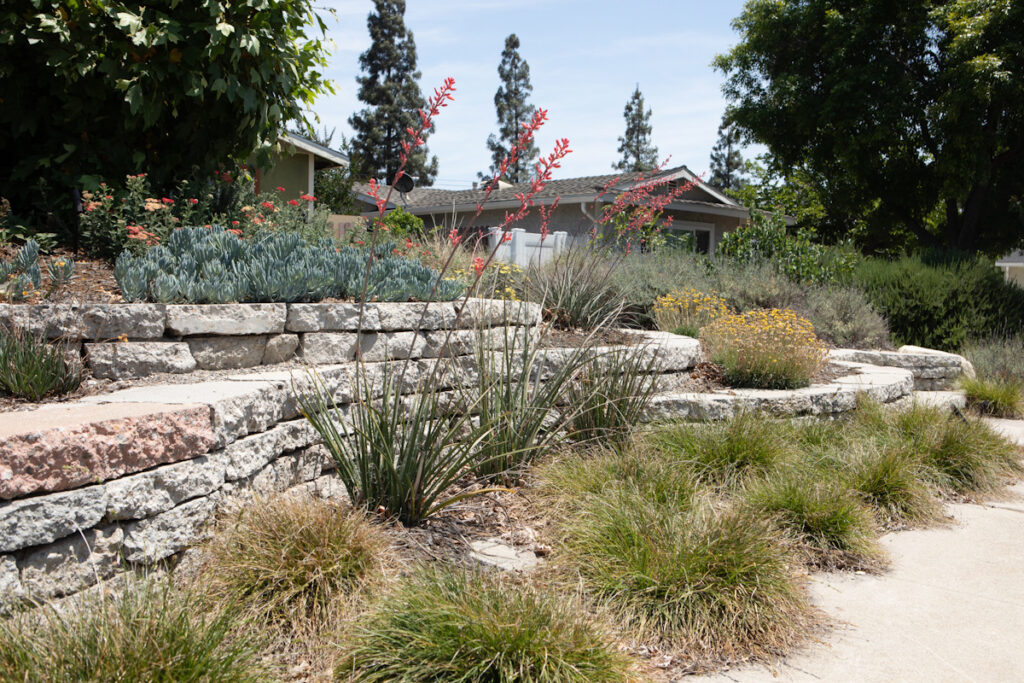
Garden walls. Stacked or fitted pieces form low walls and borders with a handcrafted look.
Retaining walls. Heavier pieces can work, but any wall holding back soil and water must be designed for the site.
Raised beds. Stacked to define planting areas with a sturdy, informal character.
Paths and stepping stones. Lay large pieces singly or fit pieces together.
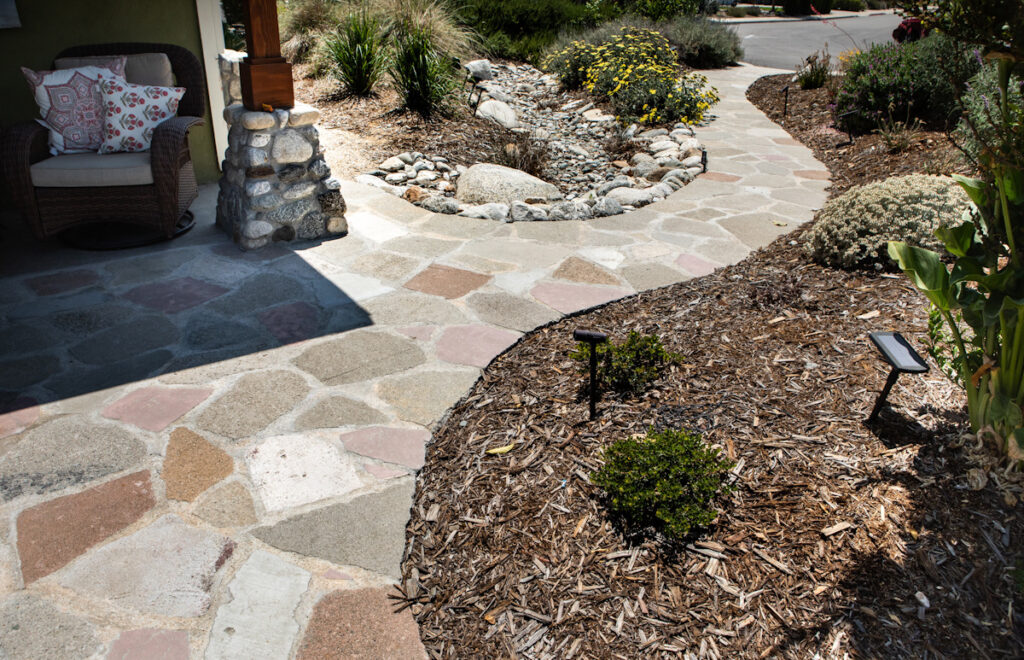
Patios. Irregular pieces create gathering spaces with texture that new pavers struggle to reproduce.
Benches. Salvaged slabs can serve as the seat or the base, so an old driveway ends up beneath a shade tree.
Practical notes before you build
- Vet the source. Choose clean concrete of known origin. Avoid pieces with oil staining, heavy sealers, or old coatings of unknown composition.
- Avoid the reinforcement. Avoid using pieces with exposed rebar or wire mesh, and use proper lifting technique and protective equipment for heavy pieces.
- Watch soil chemistry. Concrete can contribute alkaline material to surrounding soil and may raise soil pH nearby. Factor that into plant selection, especially for acid-loving species.
- Engineer what matters. Retaining walls and other structural elements warrant professional design. Confirm local codes and permit requirements.
Reused concrete brings variation in shape, texture, and weathering. A thoughtful layout can make those differences part of the garden’s character.
Before your next demolition, assess what could be reused and plan where it will go. An old driveway may already hold the material for the garden’s next chapter.

 Start the Conversation