
Field Notes · Plants & Habitat
The Reality of Deer & Your Landscape
Deer are part of life in many Humboldt County gardens. Repeated browsing can make it difficult to establish young plants or keep a favorite planting intact.
Start by noticing where deer enter, what they eat, and how the damage changes through the seasons. Those observations can guide plant selection, layout, and protection.
A practical plan combines plants suited to the site with protection where it matters most, keeping damage at a level you can live with.
Why Deer Love Your Landscape
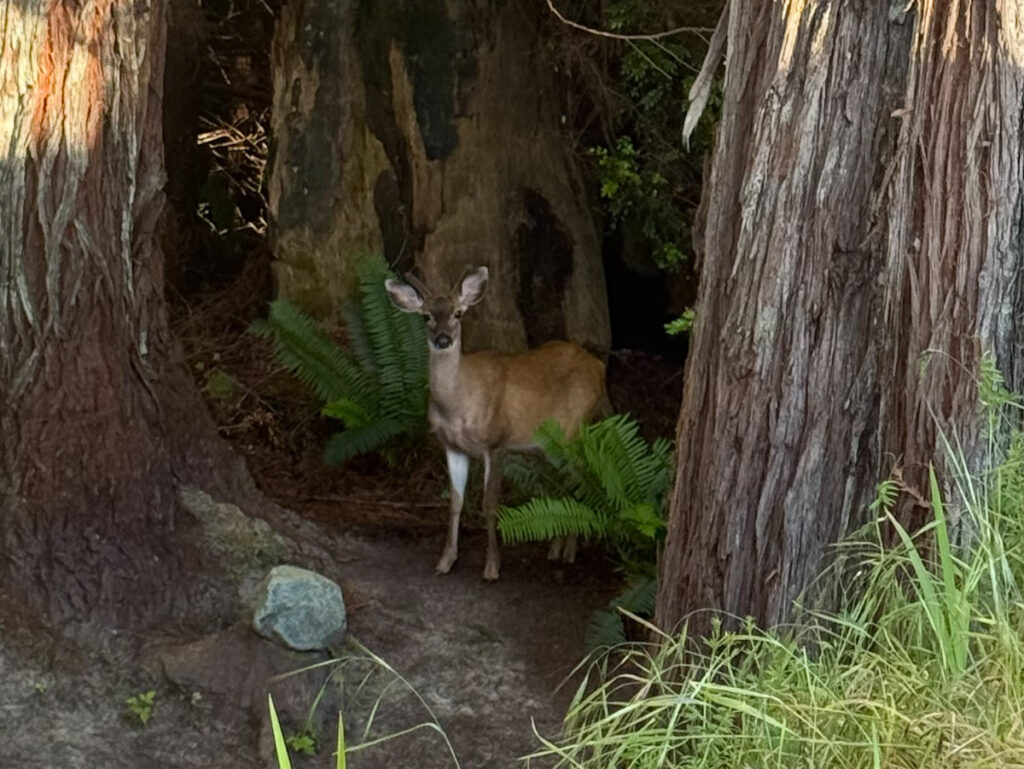
Deer are looking for food. Tender shoots, flower buds, and fresh growth can make a garden an appealing stop, especially when other forage is scarce.
Notice which plants are browsed and when. Damage may change with the season, new growth, and the food available nearby.
Properties beside woodland or established deer routes may receive regular visits. Look for tracks, droppings, and repeated browsing patterns to help identify where deer travel and which planting areas need protection.
Deer-Resistant Doesn’t Mean Deer-Proof
A plant labeled “deer-resistant” may be less appealing to deer, but it is not guaranteed to be left alone.
Unfortunately, deer didn’t read the label. Before planting an entire bed, try a few specimens first. Your local deer will be happy to conduct the field trial.
Strong aromas, coarse or hairy foliage, and other traits can discourage browsing. Preferences still vary with the season, available food, and the deer visiting your property.
Use deer-resistant plant lists as a starting point, then let observations in your own garden guide larger planting decisions.
Design Your Landscape With Deer in Mind
If deer regularly visit your property, plan for them from the start. Look for established trails and entry points before deciding where to place new planting.
Keep especially vulnerable plants inside protected areas. A fenced vegetable garden or a few well-placed cages may be more practical than trying to protect every planting bed.
In areas open to browsing, use a varied mix of plants suited to the soil, light, and moisture. Favor species that deer have shown less interest in locally, and avoid committing a large area to one untested plant.
Build the design around paths, stone, and layers of planting so its character holds together even when some plants are browsed. Leave room to reach guards and fences for inspection and repair.
Protect Young and Valuable Plants
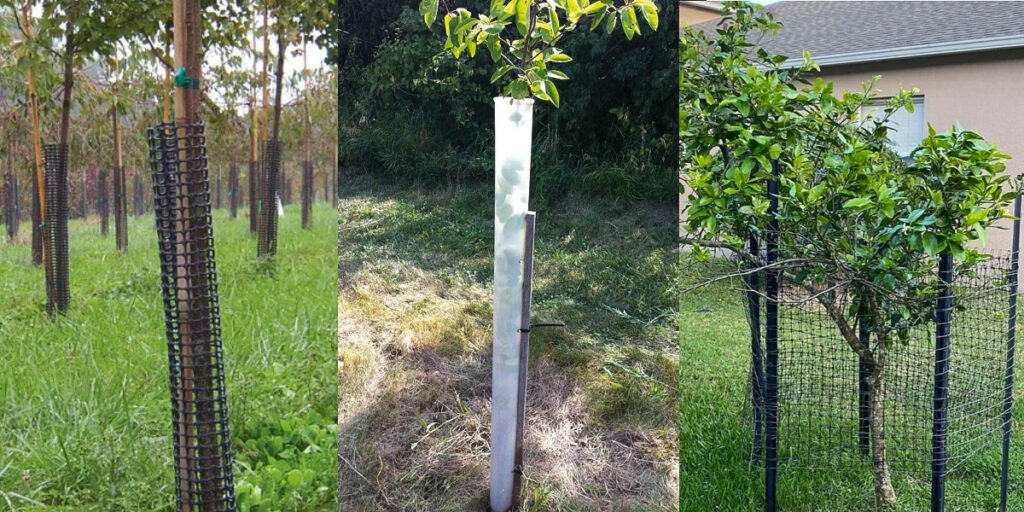
Repeated browsing can keep young trees and shrubs from establishing the shape and growth you planted them for. Protect vulnerable plants early, before damage becomes a recurring setback.
Wire cages can protect individual plants, while fencing can enclose a planting bed or larger garden. Tree guards may protect trunks from rubbing, but a narrow trunk guard won’t stop deer from eating exposed branches.
Choose protection that fits the plant and the damage you’re seeing. Allow room for growth, secure cages and guards, and check that deer cannot reach vulnerable foliage through or over them.
Inspect protection regularly. Adjust it as plants grow, and repair loose supports or openings before they become an easy way in.
What About Deer Repellents?
Repellents can discourage browsing by making plants smell or taste unpleasant to deer. Results vary, and hungry deer may continue feeding despite treatment.
Rain, irrigation, and new plant growth can leave plants needing another application. Follow the product label for application timing, reapplication, and use around edible plants.
Consider the upkeep before relying on repellents. Treating a few vulnerable plants may be manageable; repeatedly spraying a large garden can become expensive and time-consuming.
Use repellents alongside plant selection and physical protection, and watch for fresh damage to see whether the treatment is helping.
Plan for Deer and the Rest of the Landscape
Deer resistance is one part of choosing a plant. It still needs to suit the soil, sunlight, moisture, and space available.
Choose locally appropriate native and regionally adapted plants that contribute to the garden’s structure and habitat. A plant that deer tend to avoid may still provide flowers for pollinators, shelter for birds, or cover for the soil.
Protect vulnerable planting where needed, and leave room for wildlife movement elsewhere on the property when practical. Focus protection on the areas you use and value most.
Keep the plan manageable. A smaller protected garden surrounded by planting that tolerates occasional browsing may suit your time and budget better than constant treatment and replacement.
The Best Deer Strategy Is a Combination
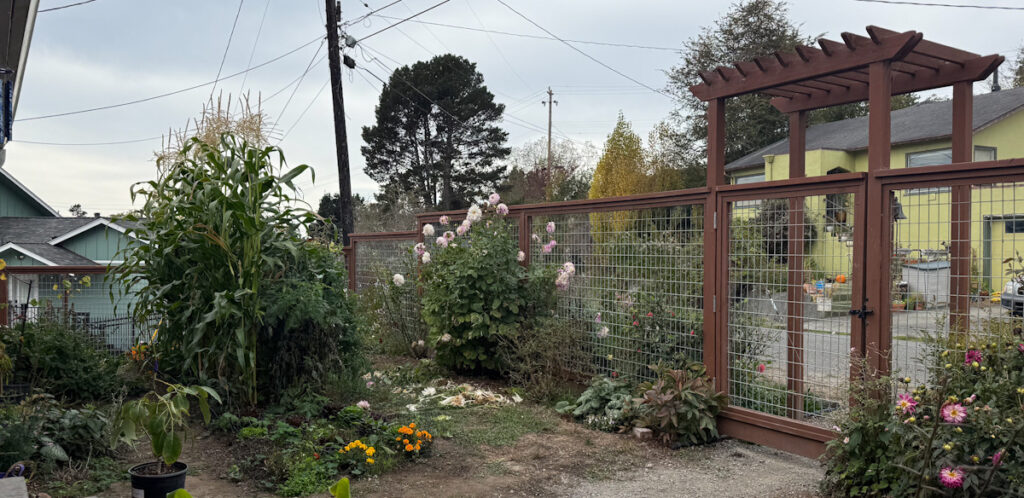
Build your approach around what you observe on the property:
- Find the pattern. Note where deer enter, which plants they browse, and when damage occurs.
- Choose plants thoughtfully. Match them to the site and test unfamiliar choices before planting large areas.
- Protect what matters most. Use cages or fencing for vulnerable trees, vegetables, and favorite plants.
- Keep protection working. Inspect barriers, allow for plant growth, and adjust where browsing continues.
- Accept some browsing. Decide what level of damage you can live with and where protection is worth the effort.
Start with the areas suffering the most damage. Watch how the landscape responds, then expand or adjust the approach as needed.
Frequently Asked Questions
What plants are deer-resistant?
Deer often browse some plants less than others, but preferences vary by location, season, and available food. Start with locally informed plant lists, then test a few plants before committing to a larger planting. “Deer-resistant” is a useful clue, not a guarantee.
What’s the best way to keep deer out of my garden?
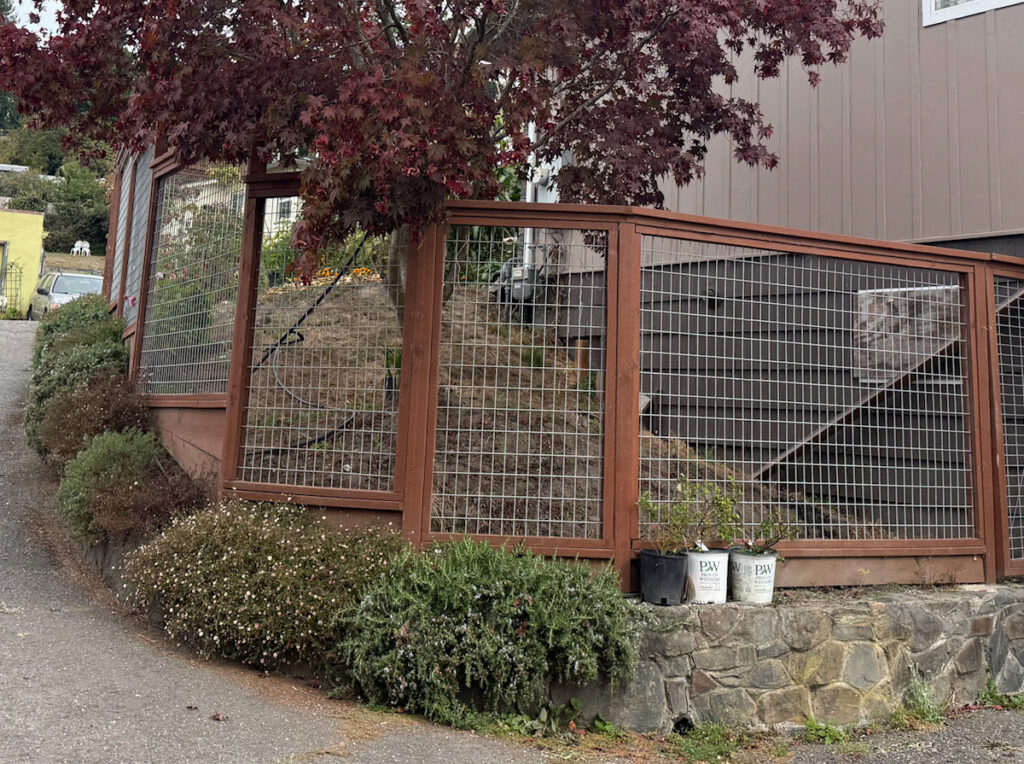
A properly designed and maintained fence is generally the most reliable option for protecting a garden. Its height, material, gates, and fit to the terrain all matter. For individual plants, a sturdy cage may be more practical.
Can I have a beautiful landscape if I have deer?
Yes. Combine plants suited to your site with protection for vulnerable areas. Give the garden structure through paths, stone, and varied planting, and decide where occasional browsing is acceptable.
Ready to Enjoy Your Landscape Again?
A deer problem is rarely just a plant problem. Where you plant, what you protect, and how you care for the garden all shape the outcome.
Sporklabs can help you assess browsing patterns, choose plants suited to your property, and plan protection around your priorities and budget.
The aim is a garden you can enjoy and realistically maintain, even with the neighborhood’s four-legged diners making their rounds.
 Start the Conversation