
Field Notes · Materials & Design
We’re Burying Humboldt’s Landscapes in Woven Fabric
Around Humboldt County, I often see the same approach to new landscapes: graded soil, woven landscape fabric, and a covering of bark or rock. Sold as the low-maintenance option, it creates a plastic layer between your plants and the living soil they depend on.
Why woven fabric causes more problems than it solves
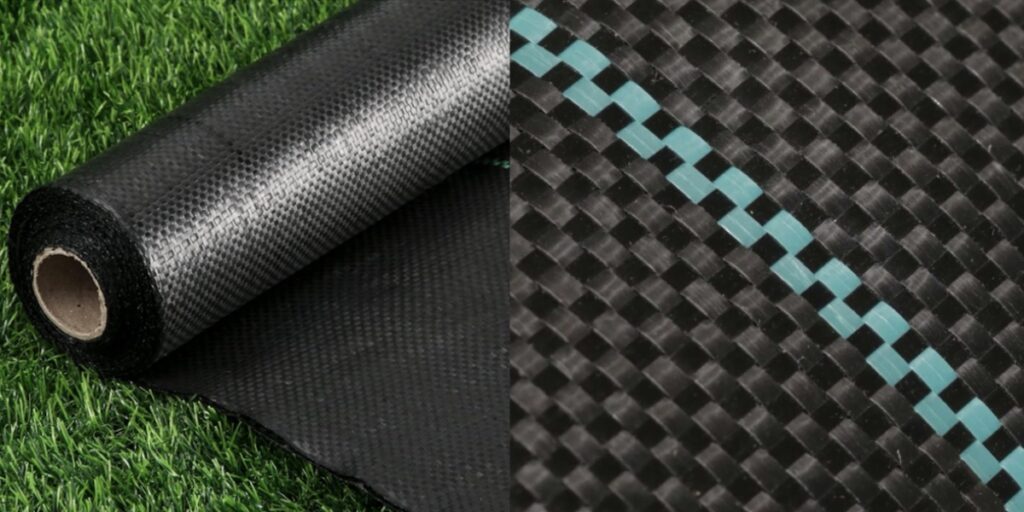
Woven landscape fabric is usually made from plastic strands woven into a permeable sheet. It suppresses weeds by blocking light and creating a physical barrier, but that barrier needs ongoing attention.
Dust, fallen leaves, and decomposing mulch collect above it. Weed seeds can germinate in that material, and roots may grow into or through the weave, making them harder to remove.
In planting beds, the difficulties often grow with the garden:
- Weeding becomes more complicated. Roots tangled in fabric can resist pulling and tear the material during removal.
- Planting and dividing take more work. Each change requires cutting or working around the fabric.
- Removal can disturb roots. Established plants may grow through the weave, making it difficult to lift without damage.
- The plastic remains a maintenance burden. Exposed edges can fray, and deteriorating fabric can leave fragments behind.
For beds intended to grow, spread, and change over time, those drawbacks can outweigh the initial weed suppression.
Trees and fabric don’t mix
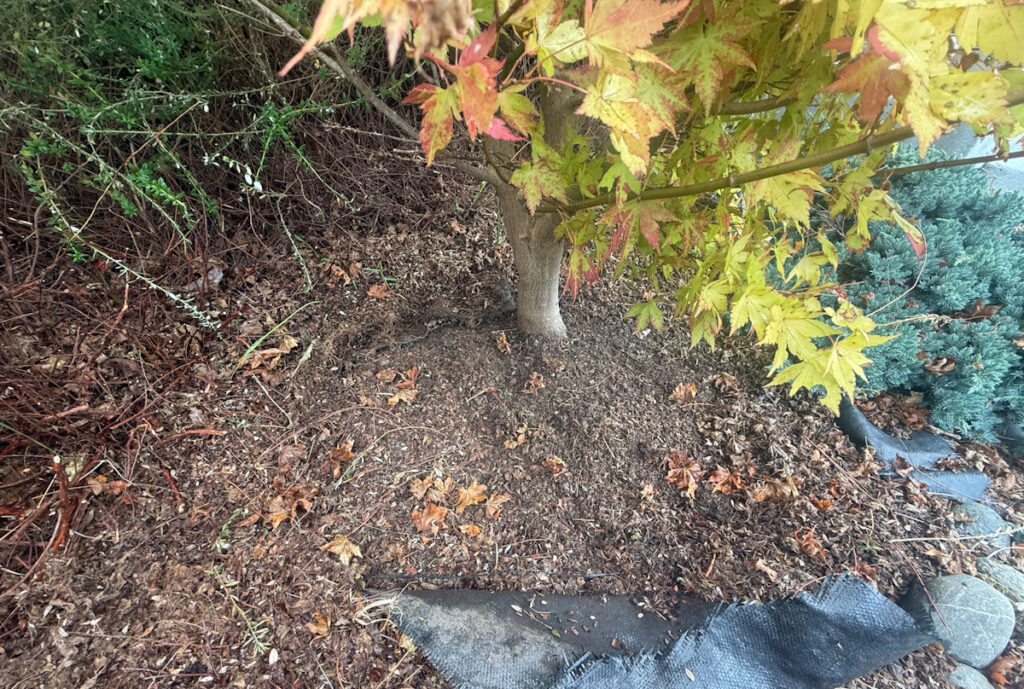
A tree’s most important roots — the fine feeder roots and the structural roots at the trunk flare — live in the top 12 inches of soil. As trees grow, roots can become entangled in landscape fabric, and openings around trunks can become too tight. Fabric hidden beneath mulch can make these problems easy to overlook.
Check the trunk flare—the widening base where the trunk meets the main roots—and look for fabric pressing against it. Inspect exposed edges for roots growing through the weave.
Remove accessible fabric carefully, avoiding damage to roots, and keep mulch clear of the trunk flare. Don’t force out sections embedded in roots. Your tree will thank you for it.
If substantial roots are entangled or the tree shows signs of decline, have a qualified arborist assess it before attempting extensive removal.
Where fabric actually makes sense
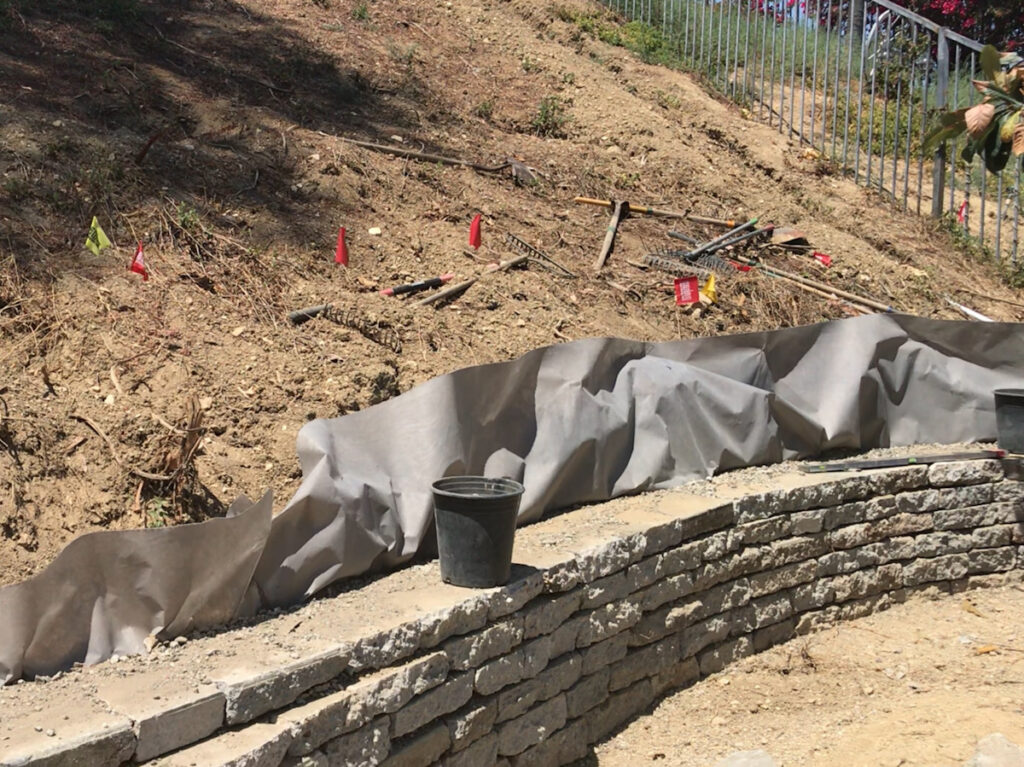
Geotextiles have useful roles in landscape construction. The material needs to suit the job: separating soil from aggregate, filtering water, or supporting a designed drainage system.
Weed-barrier fabric and construction geotextiles are not interchangeable. Woven and non-woven products vary in strength, opening size, and permeability. Choose a product specified for the soil, drainage conditions, and loads it will encounter.
Under gravel driveways and paths
A suitable separation geotextile helps keep the gravel base from mixing with the soil beneath it—this is its best and most honest use.
In drainage systems
A suitable filtration geotextile can help keep soil particles out of drainage aggregate while allowing water through. Selection and placement should follow the drainage design and product specifications.
Where to skip fabric entirely
In most permanent planting beds, I prefer to manage weeds without a synthetic fabric layer. This keeps the soil accessible and makes future planting, dividing, and maintenance easier.
● Around trees and shrubs: Use an appropriate organic mulch directly on the soil, keeping it clear of trunks and root flares.
● In perennial and mixed planting beds: Leave room for plants to spread and for the planting to change over time.
● In vegetable gardens: Choose mulch and weed-control methods suited to the crops and how often you replant.
● Where you expect to divide or relocate plants: Avoid a barrier that must be cut or removed with every change.
Prepare the site by addressing existing weeds, then maintain the mulch and remove new weeds while they are small. Near buildings, choose ground-cover materials that meet defensible-space needs.
What about paper barriers?
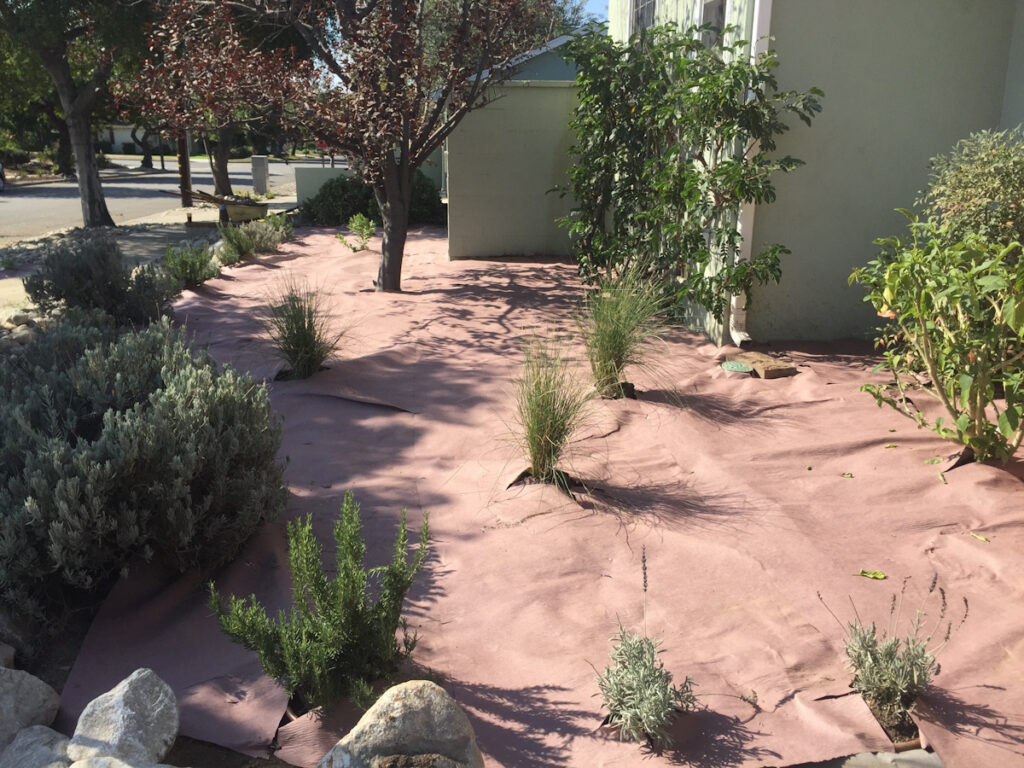
Paper-based barriers can provide temporary weed suppression while a planting establishes. Unlike synthetic fabric, they break down, though their useful life depends on the product and site conditions.
Check the material’s composition and intended use. Plan for continued weeding and soil cover after it decomposes.
 Start the Conversation