
Field Notes · Plants & Habitat
Calscape & Calflora: A Guide to Native Plant Selection
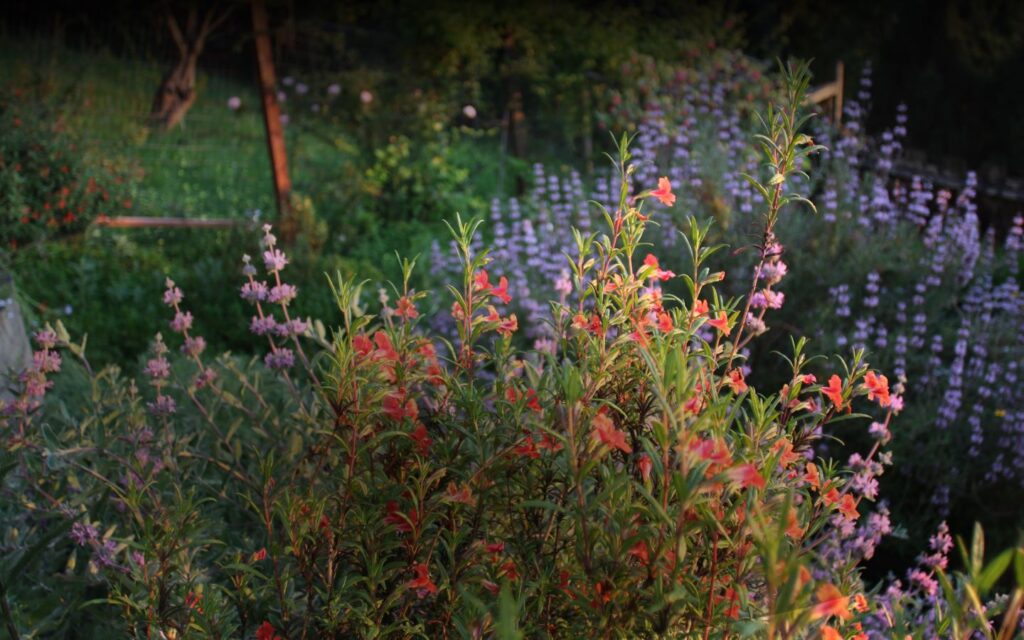
There is a quiet magic in walking through a garden that truly belongs to its surroundings. Instead of fighting against the seasons with thirsty non-native turf, synthetic fertilizers, and constant trimming, a California native garden works in rhythm with the land. From the architectural silhouettes of manzanita and the scent of sage to the vibrant blues of Ceanothus and sweeps of California poppies, native landscaping creates an authentic sense of place that looks effortlessly beautiful.
Choosing native plants starts with understanding the place they will grow. Soil, sunlight, drainage, seasonal moisture, and available space all shape what will thrive.
Calscape and Calflora can help you narrow the choices. Calscape offers native plant information for garden planning. Calflora helps you explore California’s wild plants and where they have been recorded.
Use them together to build a shortlist, then compare each plant’s needs with the conditions in your landscape.
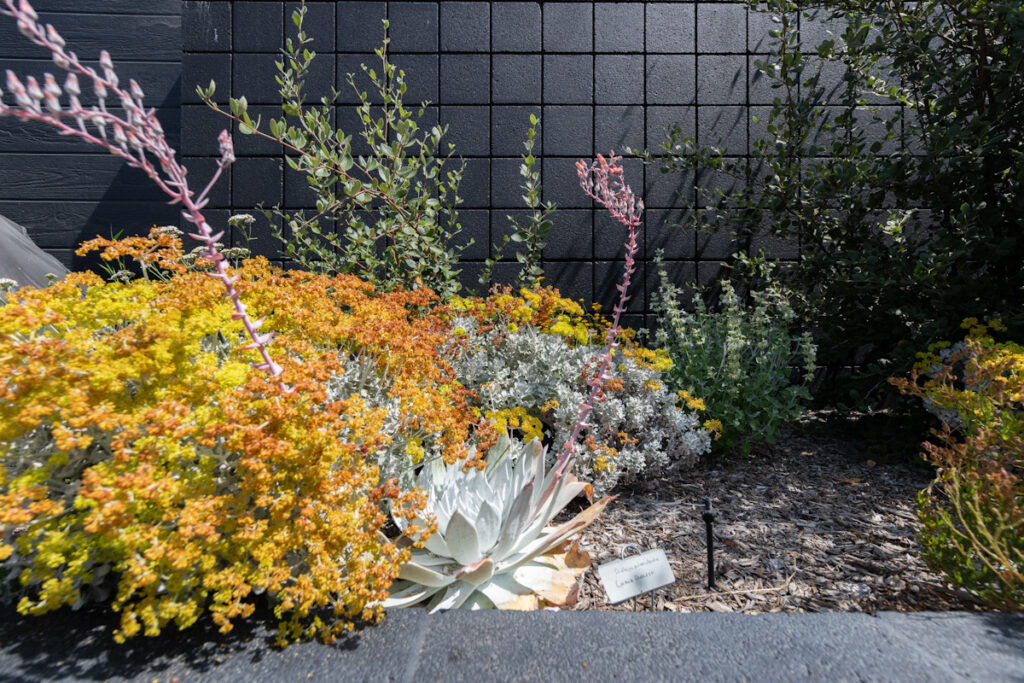
Why Choose California Native Plants?
Native plants can connect a garden to its surrounding landscape through their forms, seasonal changes, and relationships with wildlife.
When matched to the site, they can offer:
- Habitat value. Flowers, foliage, seeds, and fruit provide resources for local insects, birds, and other wildlife.
- Appropriate water use. Species adapted to local seasonal dryness may need little supplemental irrigation once established. Moisture-loving natives have different needs.
- A fit with existing soils. Choosing plants suited to the soil and drainage can reduce the need for amendments and repeated corrective care.
- Seasonal character. Bark, branching, flowers, seed heads, and changing foliage give the garden interest throughout the year.
Native planting still needs establishment care and ongoing attention. Match mature size and growth habits to the available space so maintenance stays manageable.
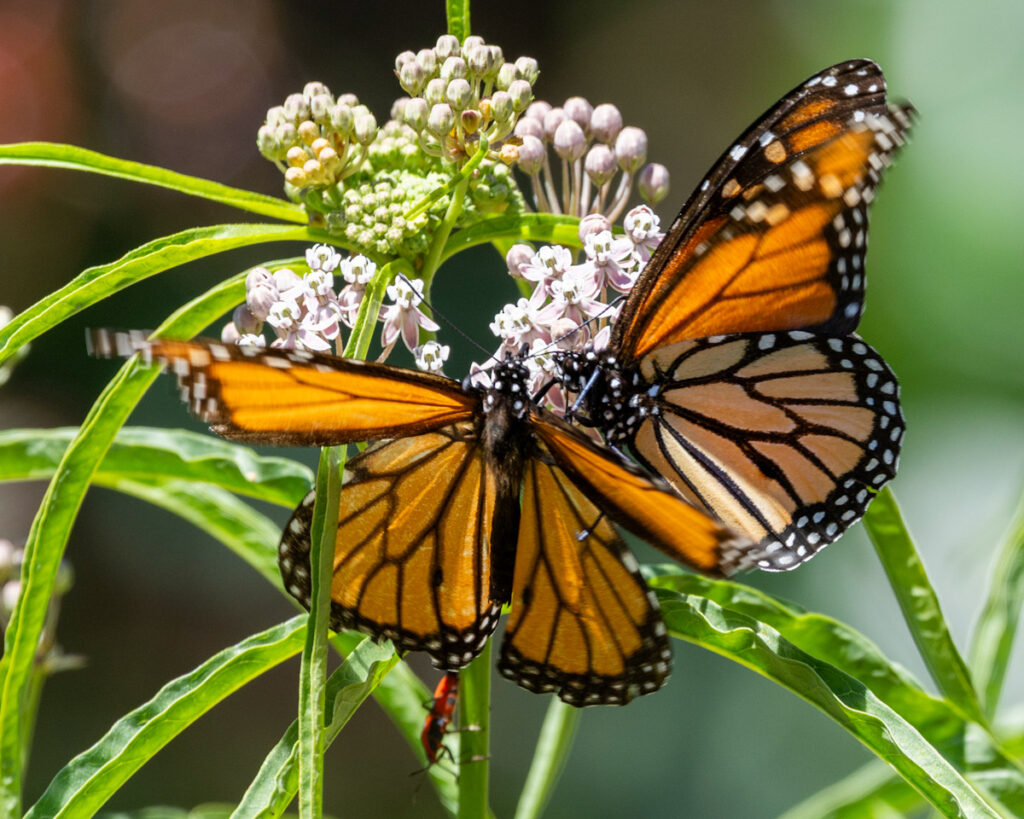
© Wilson Yau, used with permission.
The Two Pillars: Calscape & Calflora
Calscape helps you explore native plants for garden planning. Calflora adds records of where plants have been observed growing in California.
But the database doesn’t walk the site. A plant can be native to your region and still be the wrong choice for a particular slope, soil, drainage pattern, exposure, or microclimate.
Use these tools to narrow the field, then compare the choices with what you observe on the ground.
Calscape: Build Your Plant Shortlist
Calscape is the California Native Plant Society’s gardening resource. Start with your location, then explore plants that may suit your garden.
Review each candidate for:
- Sunlight and water needs.
- Soil and drainage preferences.
- Mature height, width, and growth habit.
- Flowering season and habitat value.
- Care requirements.
Save promising plants to a list, then compare them with the space and conditions you have. Include notes about where each plant might go and questions to resolve before buying.
Use the nursery listings to find potential suppliers, and confirm availability directly before making a trip or placing an order.
Calflora: Explore Where Plants Grow
Calflora brings together information and observation records for California’s wild plants, including native and nonnative species.
Search a shortlisted plant to explore its recorded distribution, photographs, and available habitat information. Look at individual records for details such as location, date, identification, and whether the plant was cultivated.
A nearby record can offer useful context, but it does not establish that the plant is native to your property or suited to your garden. Records vary in accuracy and detail, and areas with few observations may simply be less thoroughly surveyed.
Use Calflora to investigate questions raised by your site, then compare what you find with local knowledge and field observations.
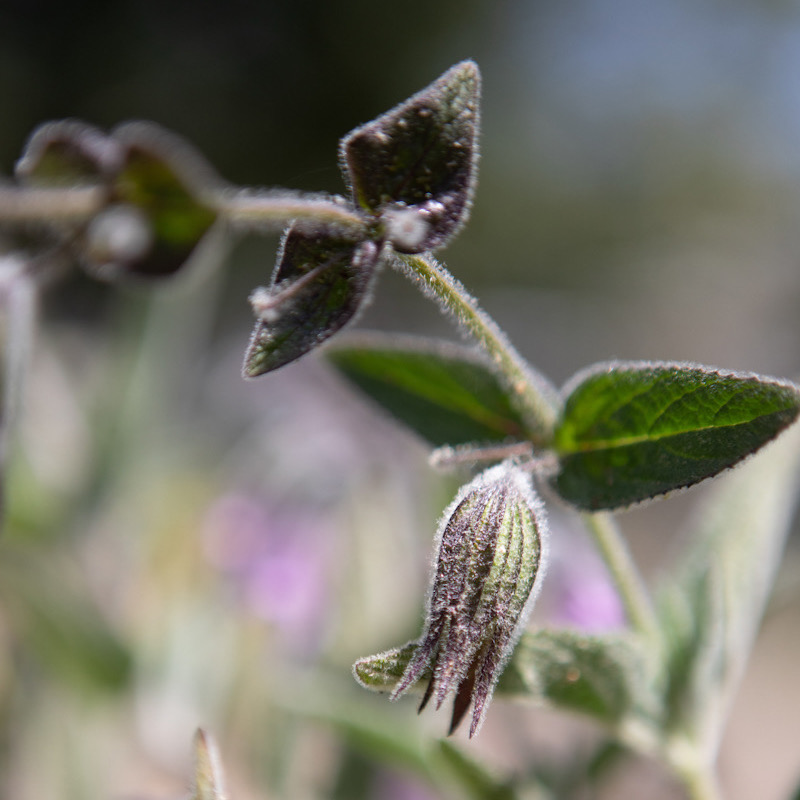
Four Steps From Research to Planting
Combining both tools gives you the best of both worlds – intuitive aesthetic curation backed by robust botanical data.
- Start with your location. Use Calscape to explore native plants for your area and create an initial shortlist.
- Match plants to planting areas. Note sunlight, soil, drainage, seasonal moisture, and available space. Compare those conditions with each plant’s needs and mature size.
- Investigate uncertain choices. Use Calflora to examine recorded occurrences and habitat information. Discuss unresolved questions with a knowledgeable local nursery, CNPS chapter, or landscape professional.
- Confirm the plants before buying. Check the species or cultivar, mature form, nursery availability, and establishment needs. Plan planting for suitable seasonal conditions and arrange the watering and care the new plants will need.
Helpful Resources
- Calscape: https://calscape.org – native plant profiles, garden-planning tools, plant lists, and nursery listings from the California Native Plant Society.
- Calflora: https://calflora.org – botanical observations, ecological data, photographs, and wild distribution maps.
-
California Native Plant Society (CNPS): https://www.cnps.org –
native gardening guidance, conservation resources, and connections to local chapters.
 Start the Conversation