
Field Notes · Plants & Habitat
A Bee-Friendly Landscape Starts With One Corner
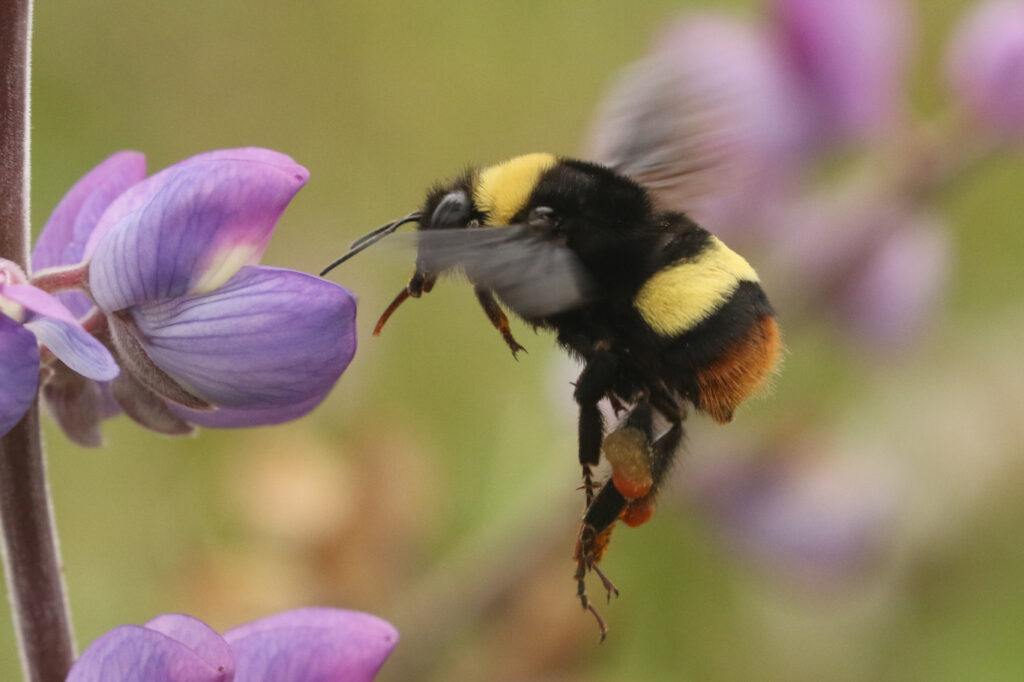
© ?Travis Cooper, used with permission via iNaturalist?
You don’t need a meadow or a large yard to make room for bees. A small planting bed, a sunny corner, or a few containers can be a place to begin.
In Humboldt County, start with plants suited to your soil, sunlight, and moisture. Choose a mix of flowering times, leave suitable nesting spaces undisturbed, and reduce unnecessary pesticide use.
Start Small
Choose a manageable area: an unused planting bed, a section of lawn you no longer need, or a few containers near the patio.
Watch how sunlight, moisture, and wind affect the space before selecting plants. Keep useful existing planting and identify weeds or invasive plants that need attention.
Begin with a few suitable flowering species and leave room for their mature growth. Make the area easy to water during establishment and accessible for ongoing care.
Observe it through the seasons. Note which plants thrive, which attract bees, and when flowers are scarce. Let those observations guide what you add next.
Choose Native Plants
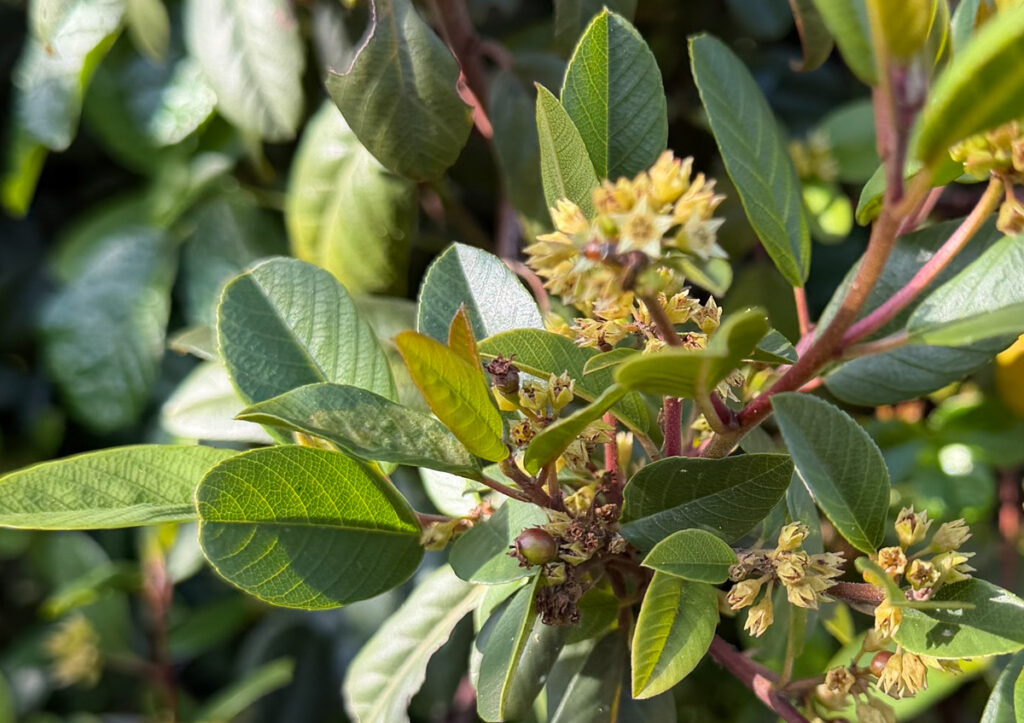
Start with locally native flowering plants suited to your garden’s conditions. For Humboldt County gardens, possibilities to explore include:
- Yarrow
- California aster
- California bee plant
- Coffeeberry
- California buckwheat
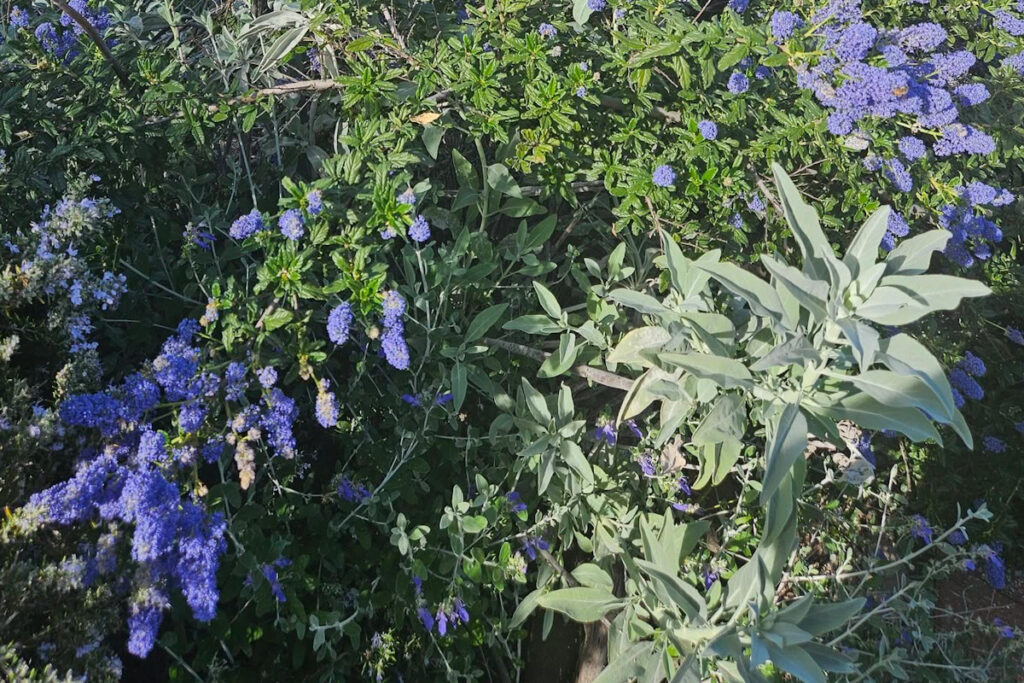
- Ceanothus
- Red-flowering currant
- Oceanspray
- California fuchsia
These plants suit different spaces and growing conditions. Check sunlight, drainage, moisture needs, and mature size before choosing.
Use the North Coast chapter of CNPS and Calscape to narrow the choices for your location. A California native label is a starting point; the plant still needs to fit your particular site.
Create a Season-Long Food Supply
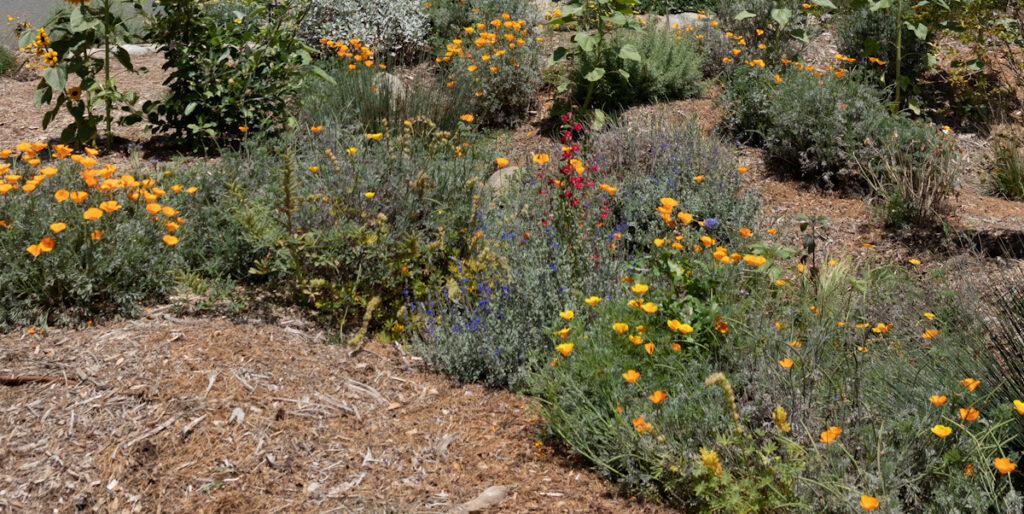
Combine plants with different flowering times so the garden offers pollen and nectar across the seasons when bees are active.
Look beyond the spring display. Check what flowers early in the year and what continues into summer and fall. Include a variety of flower shapes and sizes to welcome different visitors.
Use bloom calendars as a starting point, then observe your own garden. Fog, inland heat, moisture, and seasonal weather can shift flowering times.
Keep a simple record of what blooms and when. If several weeks pass with little flowering, choose a suitable plant to help fill that gap.
Give Bees Water
A shallow water source can help bees and other insects, particularly during dry weather. If you add one, choose a dish you can easily reach and clean.
Place stones in the dish with surfaces above the water so insects have somewhere to land. Keep the water shallow.
Empty, refill, and scrub the dish regularly. Avoid letting stagnant water collect or mosquito larvae develop.
Add a water source only if you can maintain it consistently.
Leave a Little Mess
Flowers provide food, but bees also need places to nest. Many native bees nest in the ground; others use hollow or pithy stems and existing cavities in wood.
Where the site allows:
- Leave small patches of bare or sparsely planted, well-drained soil.
- Avoid digging, heavy foot traffic, and thick mulch over nesting areas.
- Retain some standing perennial stems through winter and leave suitable older stems for nesting.
- Keep appropriate natural cavities and sheltered areas undisturbed.
Choose these spaces deliberately. A defined bed edge or nearby path can make retained habitat look intentional and keep it out of areas that need frequent maintenance.
Locate retained dry stems, leaves, and woody material where they fit your property’s wildfire-safety needs, away from the area immediately beside buildings.
Rethink Pesticides
Seeing insects on a plant doesn’t automatically mean treatment is needed. Identify what is causing the damage, check how the plant is responding, and look for natural enemies already helping.
Before intervening, ask:
- Is the damage increasing?
- Can the plant tolerate it?
- Could changes in watering or care address the problem?
- Would a physical control or another targeted approach be effective?
Use Integrated Pest Management to guide the response. If a pesticide is warranted, choose an appropriate product and follow its label, including restrictions that protect bees and other pollinators.
Consider exposure through flowers, spray drift, and nearby nesting habitat when planning treatment.
Your Weekend Bee-Haven Project
Use a weekend to take the first steps:
- Choose a small area you can maintain.
- Observe its sunlight, soil moisture, drainage, and wind exposure.
- Identify existing plants worth keeping and weeds that need attention.
- Select locally appropriate native plants with different flowering times.
- Plan spacing for mature growth and access for care.
- Prepare the area and plant when seasonal conditions are suitable.
- Provide establishment watering suited to the plants and soil.
- Leave suitable nesting habitat undisturbed.
- Add a shallow water source if you can keep it clean.
- Watch what arrives and record what you notice.
Some sites will need more preparation than a weekend allows. Start with a manageable task and build from there.
From Bee Garden to Sustainable Landscape
Look at how your small project connects to the rest of the garden. An established shrub may already provide flowers. An unused edge of lawn might offer room for more planting. A sheltered bed may contain nesting habitat worth keeping.
Build on those features:
- Retain healthy, suitable trees and shrubs.
- Add flowering plants where seasonal gaps occur.
- Reduce lawn where it no longer serves a useful purpose.
- Adjust irrigation as planting and watering needs change.
- Keep access open for ongoing care.
Let the site and your maintenance capacity guide each step. You can improve habitat gradually while keeping the garden comfortable to use and practical to maintain.
Start With One Corner
Watch how bees use the garden through the seasons, and let those observations guide what you add next.
If you’d like help choosing plants or fitting pollinator habitat into your existing landscape, get in touch to discuss your site.
 Start the Conversation