
Field Notes · Restoration
Turning Your Lawn into a Meadow
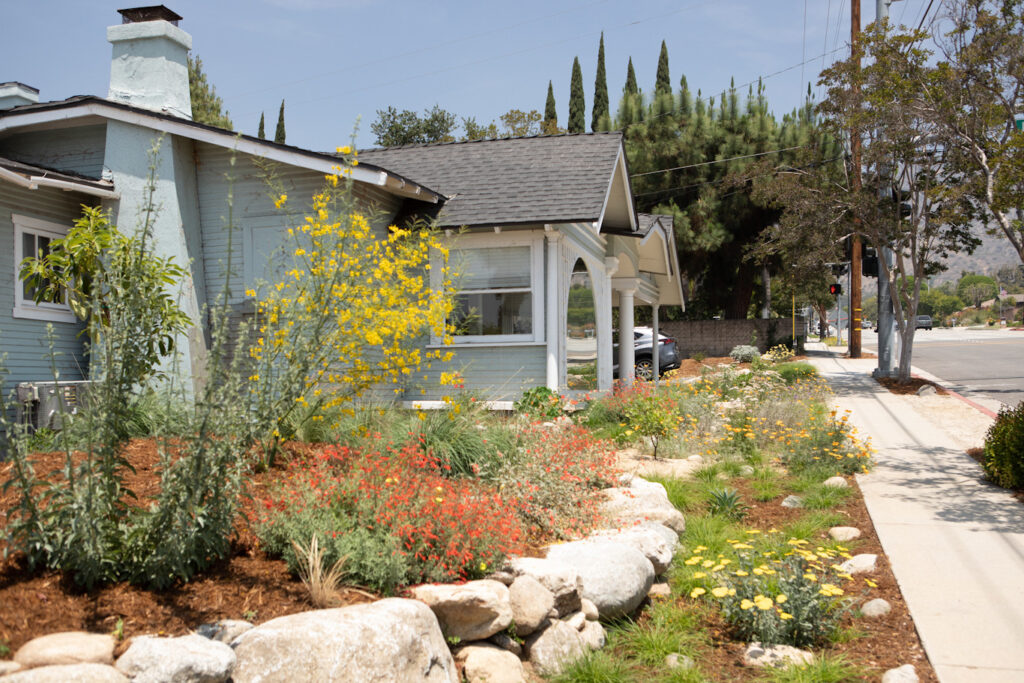
A native meadow brings movement, seasonal color, and habitat to a garden. Flowers open, grasses fill out, and seed heads remain after the blooms have passed. Its beauty comes from change.
Turning part of a lawn into a meadow begins with choosing plants suited to the site and preparing the ground so they can establish. It also means making room for seasonal drying, uneven growth, and ongoing care.
Start with an area you can manage, observe how it develops, and let what you learn guide the next planting.
Start by Understanding Your Site
Before choosing plants, spend time observing the area you want to convert. Note how sunlight shifts, where water collects after rain, and which parts dry out first.
Look at the existing lawn and weeds, too. Persistent grasses and spreading roots will influence how you prepare the ground and how much follow-up care the planting needs.
Choose native species suited to your region and those specific conditions. A damp coastal garden and a dry inland slope call for different plant communities.
Build the mix around compatible grasses and flowering plants, allowing for their mature size and spread. Diversity can provide seasonal interest and habitat, but each species still needs to fit the site and have room to establish.
Think in Seasons
Choose plants for the whole year, including the quieter months. Early flowers, later blooms, grasses, and seed heads each contribute something different.
Match that sequence to your site’s seasonal moisture. A meadow adapted to wet winters and dry summers may turn golden or become dormant as the soil dries. Plan for that change rather than expecting year-round green growth.
Include flowering plants with overlapping bloom periods where conditions allow. Alongside grasses and other meadow plants, they can provide food and shelter for insects, birds, and other wildlife.
A defined path or maintained edge can give the planting a clear shape through flowering, seed set, and dormancy.
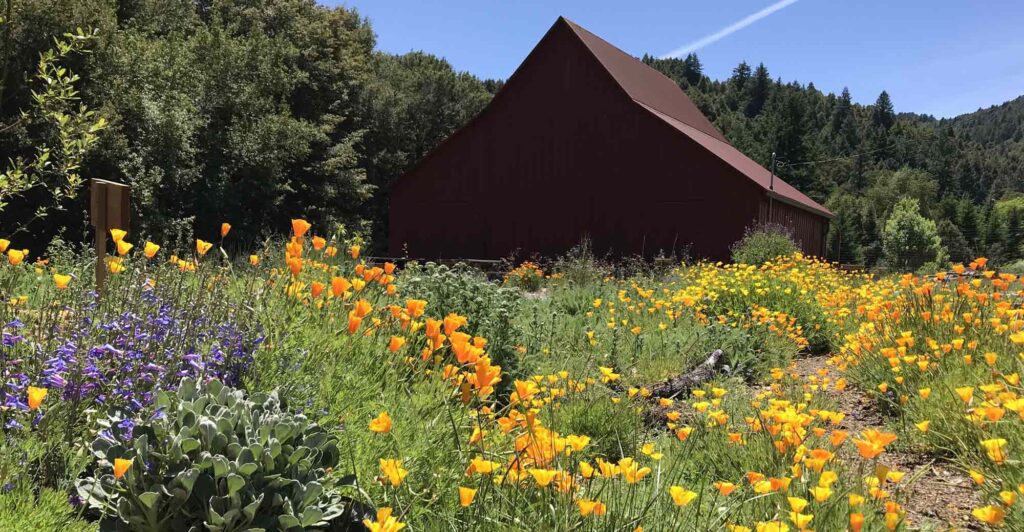
© Friends of the Lost Coast. Used with permission.
Give It Time
A meadow develops over several growing seasons. Early on, seedlings may be small and the planting uneven, with open ground between plants. Annual flowers may bloom while perennial grasses and flowering plants are still establishing.
Watch what is growing before deciding what to change. Learn to recognize your planted seedlings so you can remove competing weeds without pulling out the meadow.
Some species will settle in readily; others may struggle or disappear. Use those observations to adjust the mix, fill persistent gaps, and keep vigorous plants from crowding out slower neighbors.
Patience works alongside care. Weed control, watering suited to establishment needs, and thoughtfully timed cutting all help shape how the meadow develops.
Start Small
You don’t have to replace the entire lawn at once. Begin with an underused area that suits the plants you want to grow and is easy to reach for watering and weeding.
Prepare the ground before planting. Identify the existing turf and persistent weeds, then choose a removal or suppression method suited to them. Allow time to check for regrowth before introducing meadow plants.
Seeds, small nursery plants, or a combination can work. Choose planting dates around the species’ needs, local rainfall, and your ability to provide establishment water. Follow species-specific guidance for seed preparation and sowing.
Keep a simple record of what you plant and how it performs. A small trial gives you useful experience before you commit more space, money, and time.
Create a Landscape That Gives Back
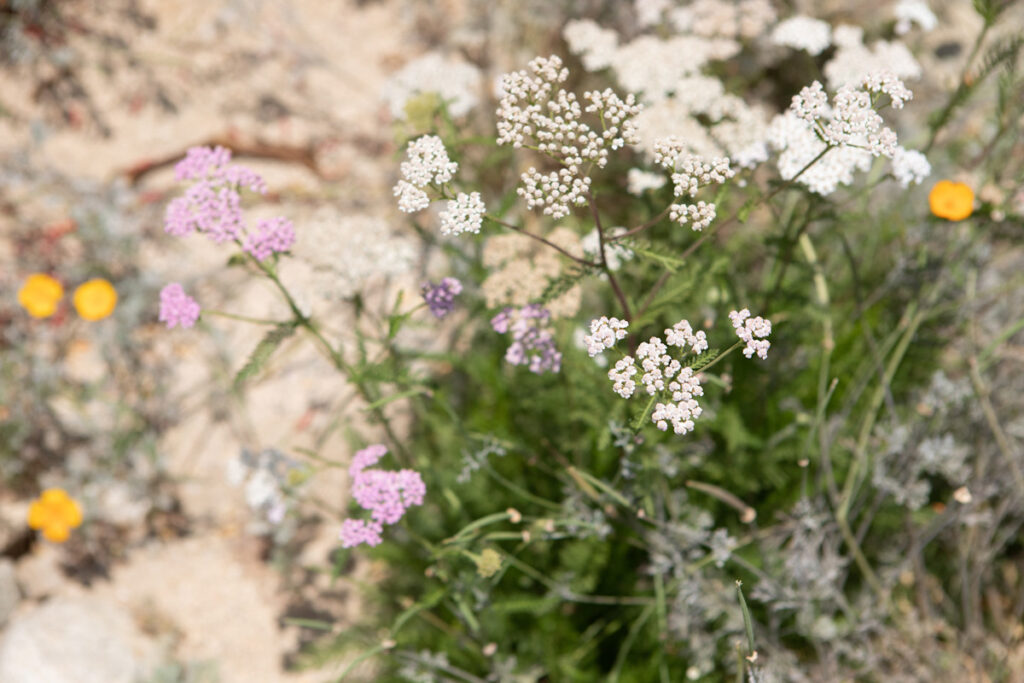
A native meadow can provide nectar, pollen, seeds, and shelter while bringing seasonal change into the garden. Its value grows from the plants you choose and how you care for them.
Watch for more than flowers. Notice insects visiting blooms, birds investigating seed heads, and new seedlings appearing between established plants. Those observations can help guide what you retain, remove, or plant next.
Begin with a manageable area, give the plants time to establish, and adjust as you learn. Over time, the meadow becomes a record of your site: its soil, its seasons, and the life finding a place there.
Helpful Resources
- Friends of the Lost Coast: https://lostcoast.org – a nonprofit dedicated to preserving and protecting the wildlife and natural environment of California’s Lost Coast. Their Nature Center and Native Plant Garden in Whitethorn, near the King Range National Conservation Area, offer opportunities to learn about the region’s native plants, wildlife, and unique coastal ecosystems.
 Start the Conversation